

End‑to‑end procurement logistics
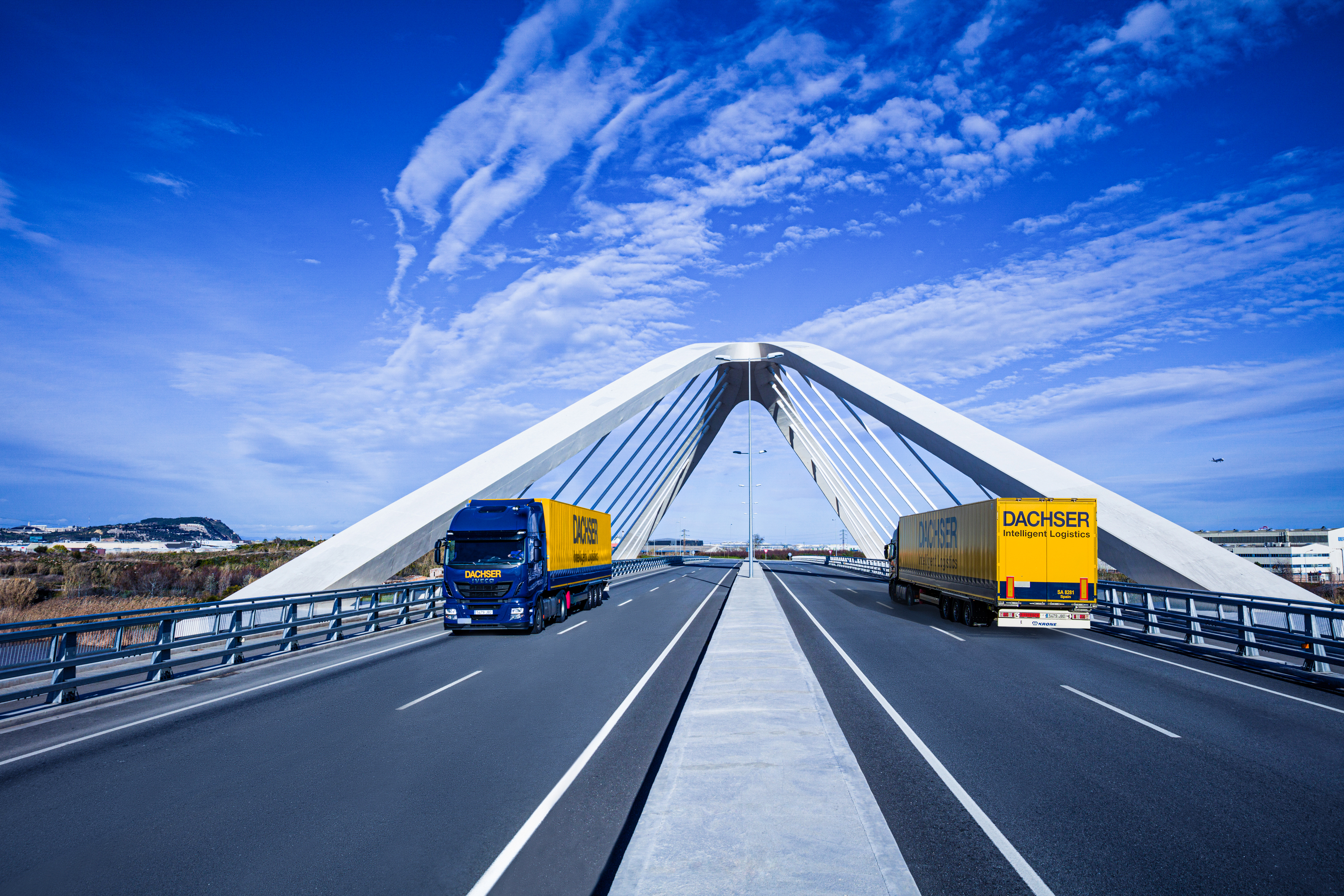
We ensure reliable inbound logistics for your production sites through standardised and digitally controlled procurement transports. Predictable goods receipts increase supply security and enable dependable planning of downstream production processes. Clearly defined European transit times ensure stable and well-coordinated inbound flows.
- Transit times: Defined European lead times for precise inbound planning
- Supplier integration: Via the DACHSER platform or through technical integration using standardised or customer‑specific interfaces (EDI, API)
- Shipment monitoring: Central status control and notifications for early deviation management
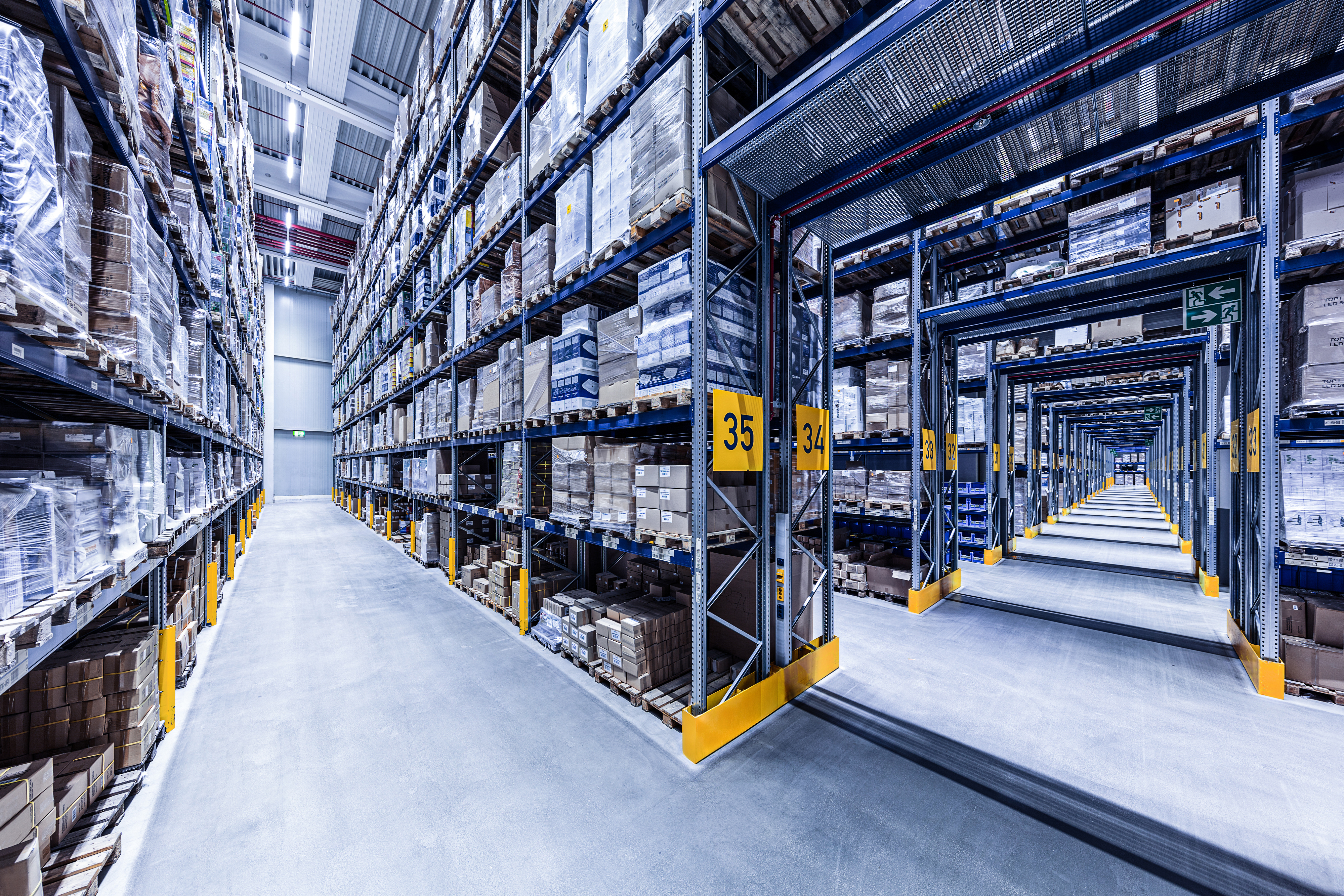
Our warehouses are fully connected – giving you complete visibility of where your goods are at all times.
- Buffer storage: Flexible set‑up for fluctuating demand
- Inventory transparency: Clear overview of stock levels and shipments
- Centralised invoicing: Unified cost overview across all locations
- Data quality: Fewer errors thanks to integrated IT systems
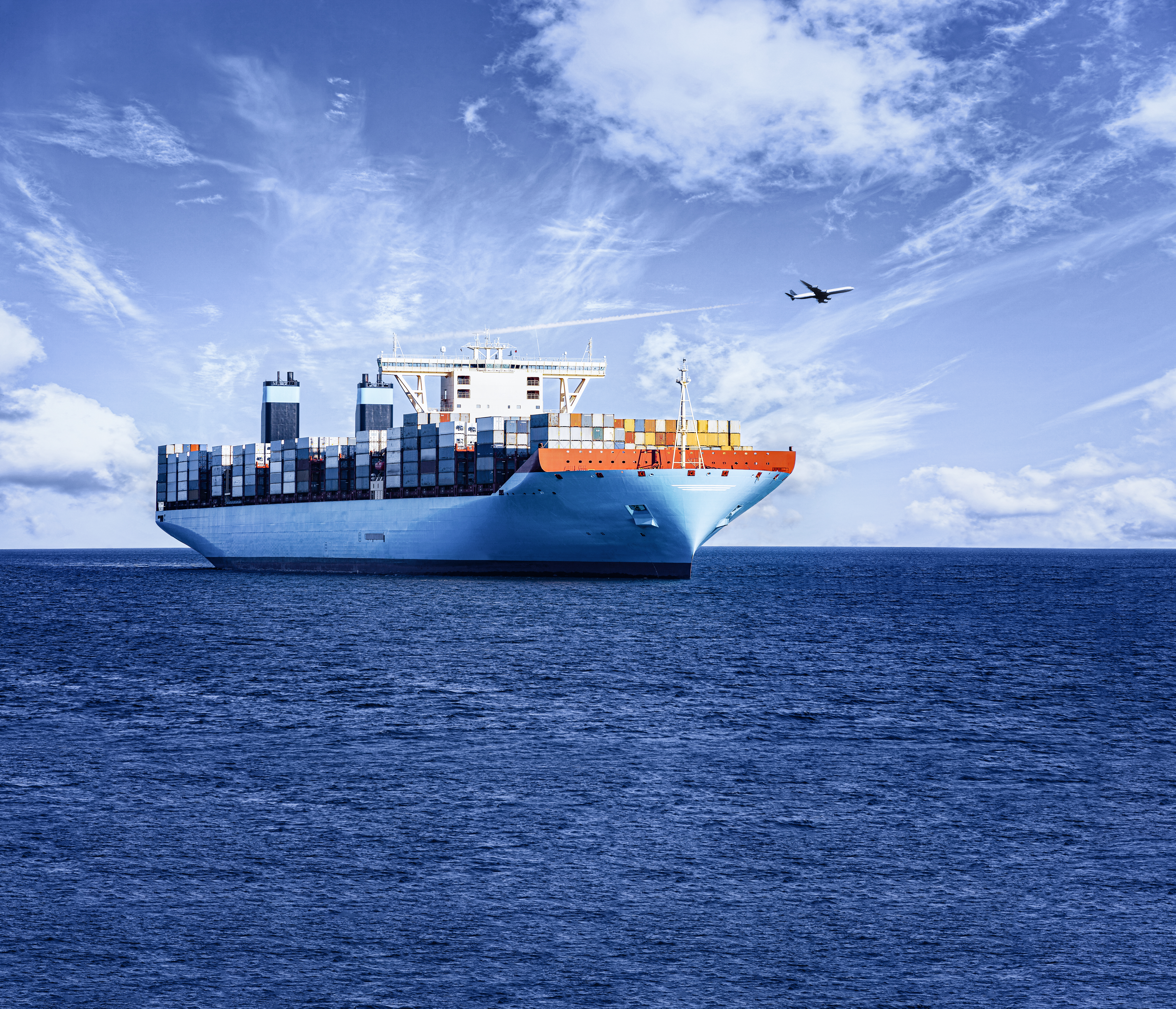
Buyer’s Consolidation efficiently bundles shipments from European suppliers for production sites overseas.
- Shipment consolidation: Cost‑efficient consolidation of multiple supplier shipments into a Buyer’s‑Consol container for efficient ocean transport
- Transit times: Defined lead times for predictable international shipments
- Container visibility: Real‑time information on all container contents
- Shipment overview: Central transparency across all transports
Highly relevant for globally connected supply chains – for example in the automotive sector.
We ensure reliable and predictable deliveries to retailers through a stable European transport network and integrated digital processes – particularly relevant for DIY-related industries.
- Transit times: Defined lead times for predictable deliveries
- Shipment transparency: Real‑time status updates, Track & Trace, and digital documents
- Network stability: Fast and reliable execution via the European DACHSER branch network
- Coordination Tower: Central steering and consistent service quality across the network

Frequently asked questions about procurement logistics
What is procurement logistics?
Procurement logistics encompasses the supply of an organisation with externally sourced raw materials, consumables, spare parts, and components – everything not produced in‑house. Its goal is to design demand‑driven and cost‑efficient processes that ensure a smooth and timely production flow. This includes goods receipt and inspection, storage, inventory management, dispatch, and coordination of all information flows.
How does DACHSER improve transparency in inbound logistics?
With the DACHSER platform and the Procurement Coordination Tower, you always have full visibility of your procurement shipments. Real‑time tracking, current status messages, and filtering options by supply location provide complete transparency across all transport orders. Digital documents also support precise inbound planning.
What does the standard procurement logistics process at DACHSER look like?
Your supplier enters shipment details via the DACHSER platform. The responsible DACHSER branch collects the goods and delivers them through the DACHSER network. The Procurement Coordination Tower centrally invoices all procurement shipments and is informed about every shipment and event throughout the entire process. You can view the status of each shipment at any time.
Can suppliers be connected directly to the DACHSER system?
Yes, suppliers can be directly integrated via standardised EDI or API interfaces or customer‑specific integrations. This reduces system breaks and manual effort while improving data quality.
What types of procurement logistics are there?
- Stock procurement: Ensures availability through safety stocks, but increases storage costs.
- Just‑in‑time procurement: Deliveries synchronised with production steps; minimal storage, but with availability risks.
- Single procurement: Ad‑hoc, demand‑driven ordering of specific materials.
Each company must determine which model suits its requirements to ensure both availability and cost efficiency.
What are the advantages of Buyer’s Consolidation in international supply chains?
Buyer’s Consolidation bundles shipments from multiple European suppliers into a single Buyer’s‑Consol container, enabling cost‑efficient and transparent ocean transport. A central contact person in the Coordination Tower ensures full visibility, while defined transit times and aligned IT systems provide additional planning accuracy.
Does DACHSER support customs clearance?
Yes, DACHSER integrates customs clearance seamlessly into international procurement processes, ensuring stable and reliably managed global supply chains.
What is the goal of procurement logistics?
The aim of procurement logistics is to optimise material flows for production and secure long‑term operational performance. This requires balancing cost efficiency, flexibility, product quality, and supply security – ensuring a dependable and economically viable supply of goods.