



Frequently asked questions about contract logistics
What is contract logistics?
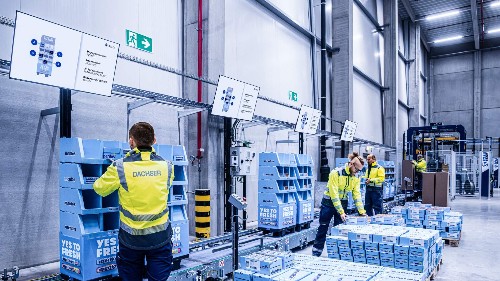
Contract logistics generally refers to a long-term partnership between a company and a logistics service provider. The basis for this partnership is a service contract – usually long-term – tailored to the customer’s requirements, in which all logistics services are specified. A key feature of contract logistics is that the logistics service provider not only handles traditional transport and warehousing tasks but also offers a range of complex and often industry-specific additional services. In this way, companies without their own logistics operations can ensure the efficient management of their supply chain and a consistently high standard of quality.
What are the tasks and components of contract logistics?
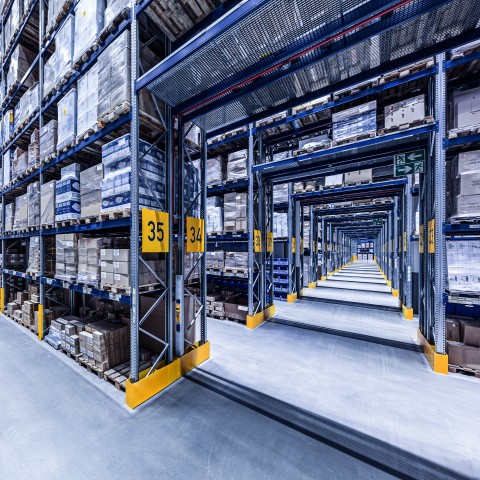
Service contracts in contract logistics are tailored individually for each company. Accordingly, the scope of tasks varies. In addition to typical logistics services such as transport and warehousing, contract logistics also covers a variety of value-added services such as packaging and labelling of goods, the assembly and repair of products, and quality control.
What are the general advantages of contract logistics?
Contract logistics generally offers a whole bunch of advantages, particularly for companies and businesses with complex logistics requirements:
- Reduced workload: Outsourcing the entire supply chain to a service provider on a long-term basis saves on administrative and operational effort and frees up internal resources.
- Cost savings: Companies save on the costs on running their own warehouse and vehicle fleet, as well as on insurance and staff costs.
- Quality assurance: Handling all logistics tasks according to standardised processes improves the quality and security of the supply chain.
- Predictability: Long-term service contracts with clearly defined tasks ensure planning certainty and cost transparency.
- Expertise: Contract logistics companies offer their customers access to extensive know-how, industry experience, and multimodal networks.
- Everything from a single source: In contract logistics, responsibility for the outsourced supply chain processes lies with a single service provider – with clearly defined processes, points of contact, and costs.
How does DACHSER ensure the quality and efficiency of its logistics solutions?
At DACHSER, we rely on our own warehouse management system, Mikado, which offers maximum transparency, continuity and security. We also use a range of key performance indicators (KPIs) to monitor and evaluate performance. These include delivery and stock accuracy, lead times, and customer satisfaction.
How does DACHSER manage its relationships with its customers?
Personal contact and fostering strong customer relationships are of the utmost importance to us. Our contract logistics experts possess in-depth knowledge of products, industries and markets. To develop efficient solutions, they take a holistic view of the logistics of goods flows. Furthermore, they assist with tenders, develop new logistics concepts, and optimise existing processes for your company.
What are DACHSER Contract Logistics’ client references?
DACHSER Contract Logistics offers numerous client references across a wide range of industries.
Here is a selection:
- Industrial and consumer goods: Südpack, Atera
- Food logistics: Moët Hennessy, Barilla, CFP Brands
- Cosmetics logistics: L’Oréal Cosmetics, Sebamed
- Fashion logistics: KAPPA France
- Healthcare logistics: DELTAMEDICA
- DIY logistics: Char-Broil, Kamado Joe
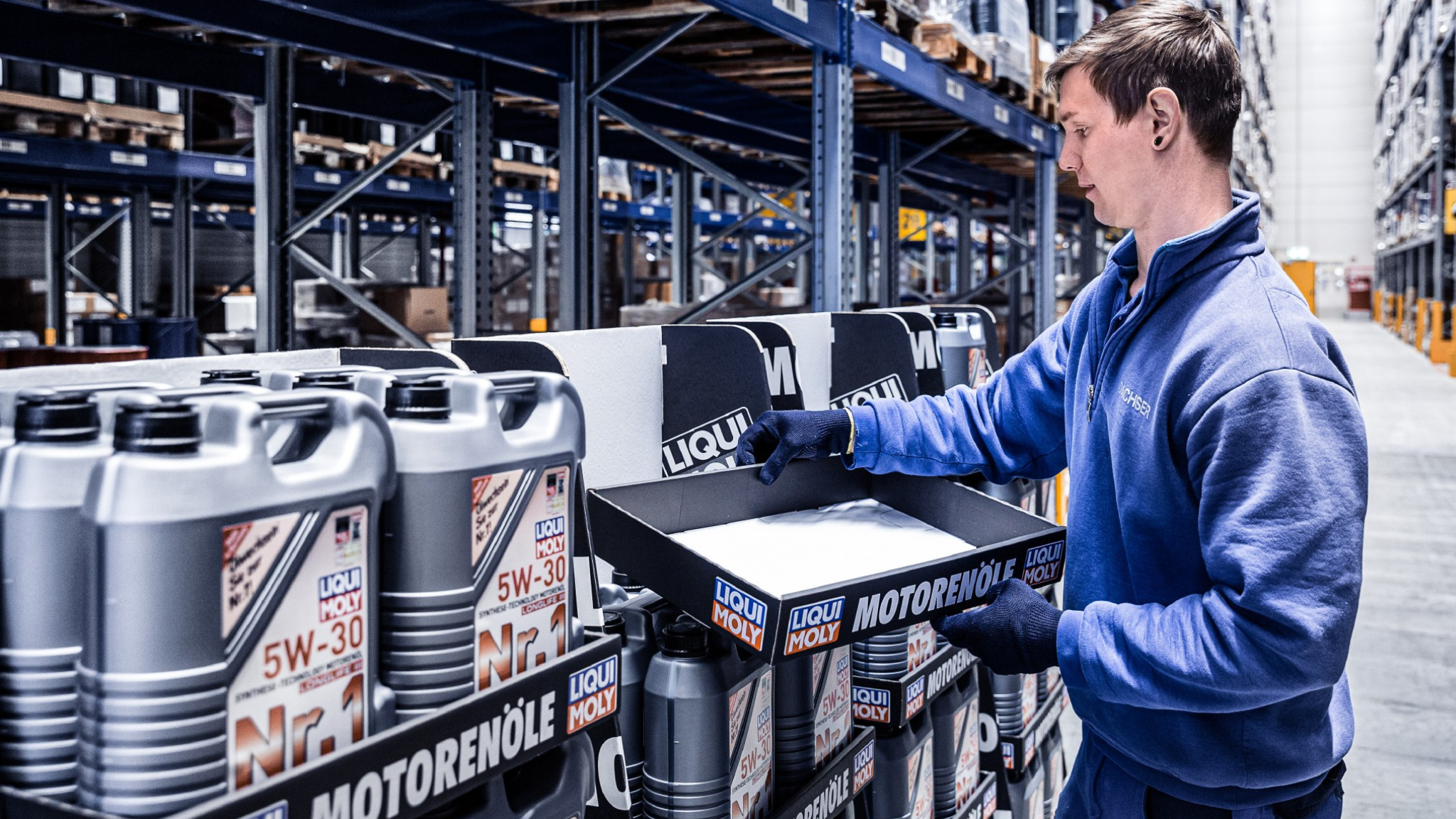
- Chemical logistics: Liqui Moly, Kleiberit, Bayrol