
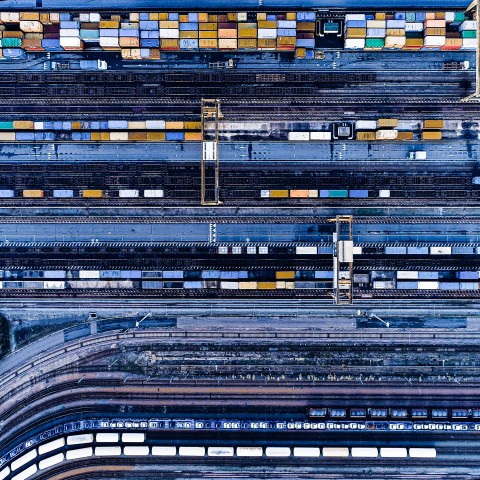
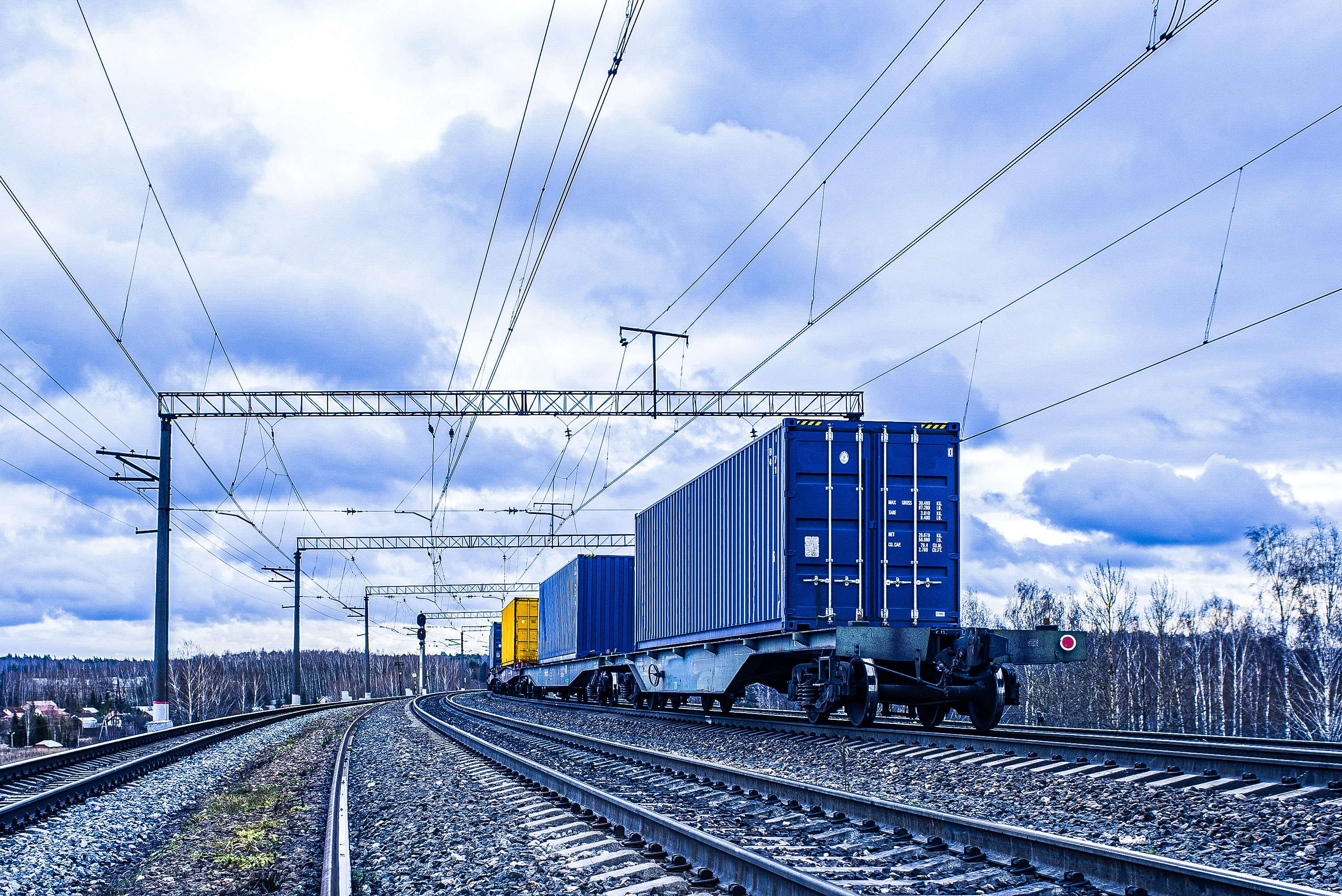
DACHSER rail freight solutions at a glance
For smaller shipment volumes, we offer LCL groupage services. Shipments are consolidated and transported together. This allows you to benefit from rail freight even when you do not require a full container. After arrival, onward distribution is handled via the DACHSER network.
FCL solutions are available for larger transport volumes. Full containers are transported directly by rail between Europe and Asia. This solution is particularly suitable for predictable volumes and regular flows of goods.
For high and continuous transport volumes, block train concepts can be an efficient option. They provide additional capacity and enable larger shipment volumes to be handled on defined routes.
We combine rail freight services with comprehensive additional services:
- Pre-carriage to the rail terminal
- Onward carriage to the consignee
- Customs clearance
- Transport documentation
- Consolidation and load planning
- Operational management
- Optional GPS tracking
- Distribution via the DACHSER network
This creates an integrated transport solution throughout the entire supply chain.
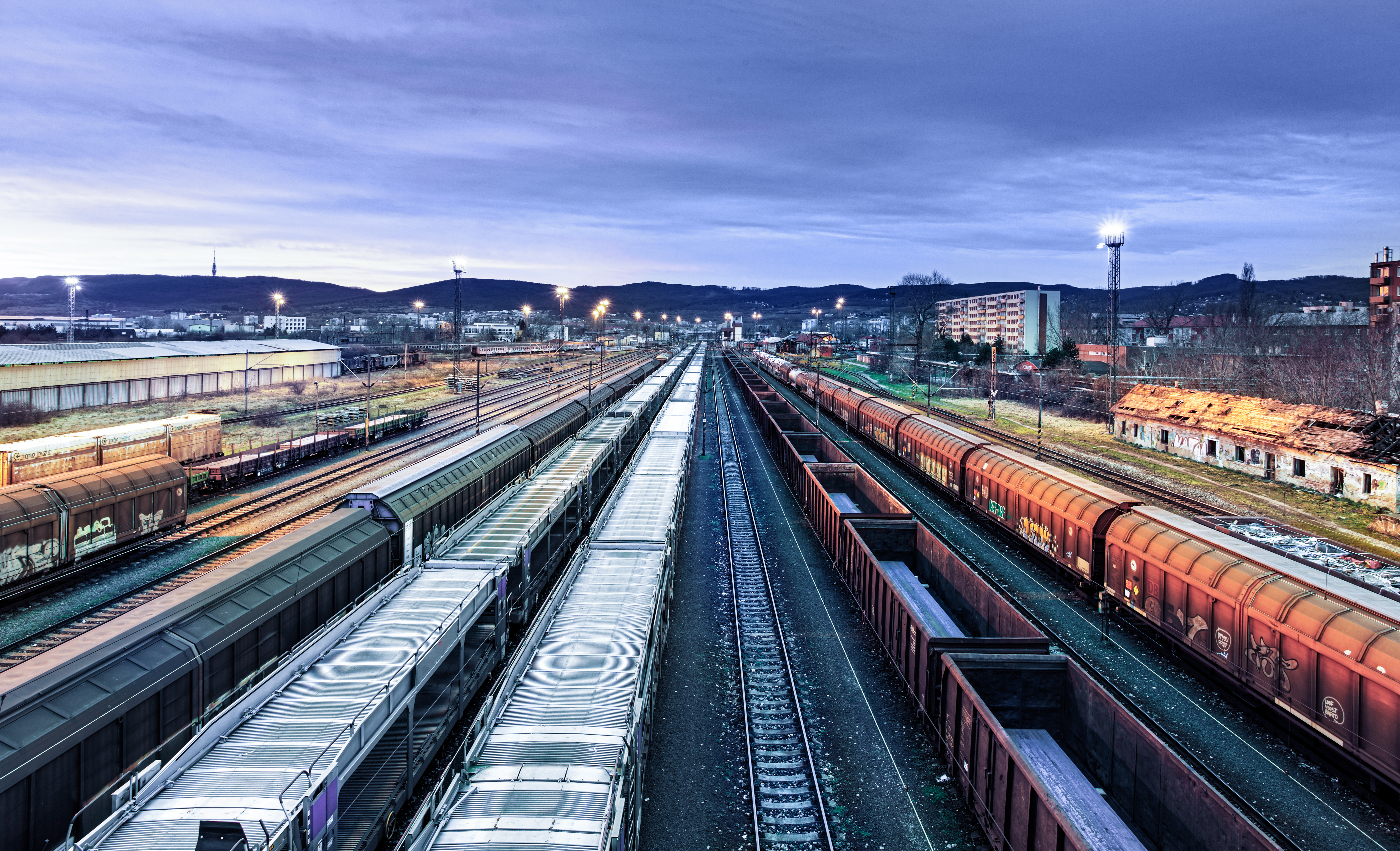
Frequently asked questions about rail freight
What is rail freight?
Rail freight means transporting goods by rail. At DACHSER, rail freight is integrated into multimodal transport chains and combined with pre-carriage, onward carriage, customs clearance and other services. This creates end-to-end transport solutions that integrate seamlessly into international supply chains between Europe and Asia.
When is rail freight the right alternative to sea and air freight?
Rail freight is particularly suitable when sea freight does not meet the required delivery times and air freight is not the most cost-effective solution. Rail freight services offer a balanced combination of transit time, cost and predictability. This makes them especially attractive to companies managing regular flows of goods between Europe and Asia.
Does DACHSER offer LCL and FCL rail freight?
Yes. DACHSER offers rail freight solutions for LCL groupage, FCL shipments and block train transport. This means that smaller shipment quantities as well as larger and regular transport volumes can be moved by rail.
Which industries is rail freight suitable for?
Rail freight is particularly suitable for companies in sectors such as high tech, automotive, consumer goods, mechanical engineering, and home and garden improvement. It is especially well suited to predictable flows of goods where transit time and cost efficiency must be considered in equal measure.
How long does rail freight take between China and Europe?
Depending on the route and service, transit times are typically between 16 and 22 days, or around 20 to 22 days terminal to terminal. The actual transit time depends on factors including the selected route, pre-carriage and onward carriage, and the conditions along the transport chain.
Does DACHSER also handle pre-carriage and onward carriage?
Yes. DACHSER combines rail freight with pre-carriage, onward carriage, customs clearance and distribution via existing network structures. This gives companies a centrally managed end-to-end solution rather than isolated rail transport.