
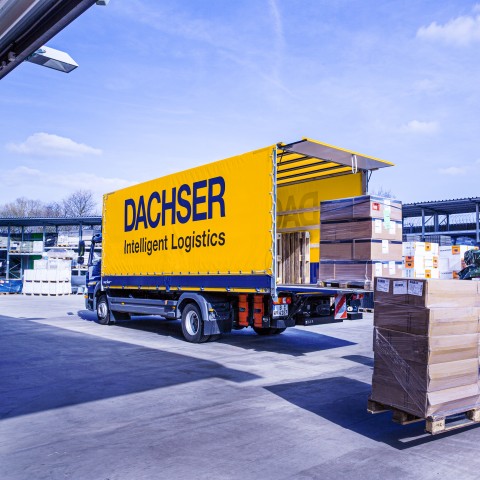

Distribution logistics tailored to your flows of goods
Groupage consignments, pallets and part loads are consolidated and distributed from the shipping point to the recipient through established network structures.
DACHSER adapts standardised processes to the specific requirements of food, fashion, chemicals, automotive and DIY logistics.
Picking, packing, customisation, quality checks and returns complement transport and offer shorter response times and greater flexibility.
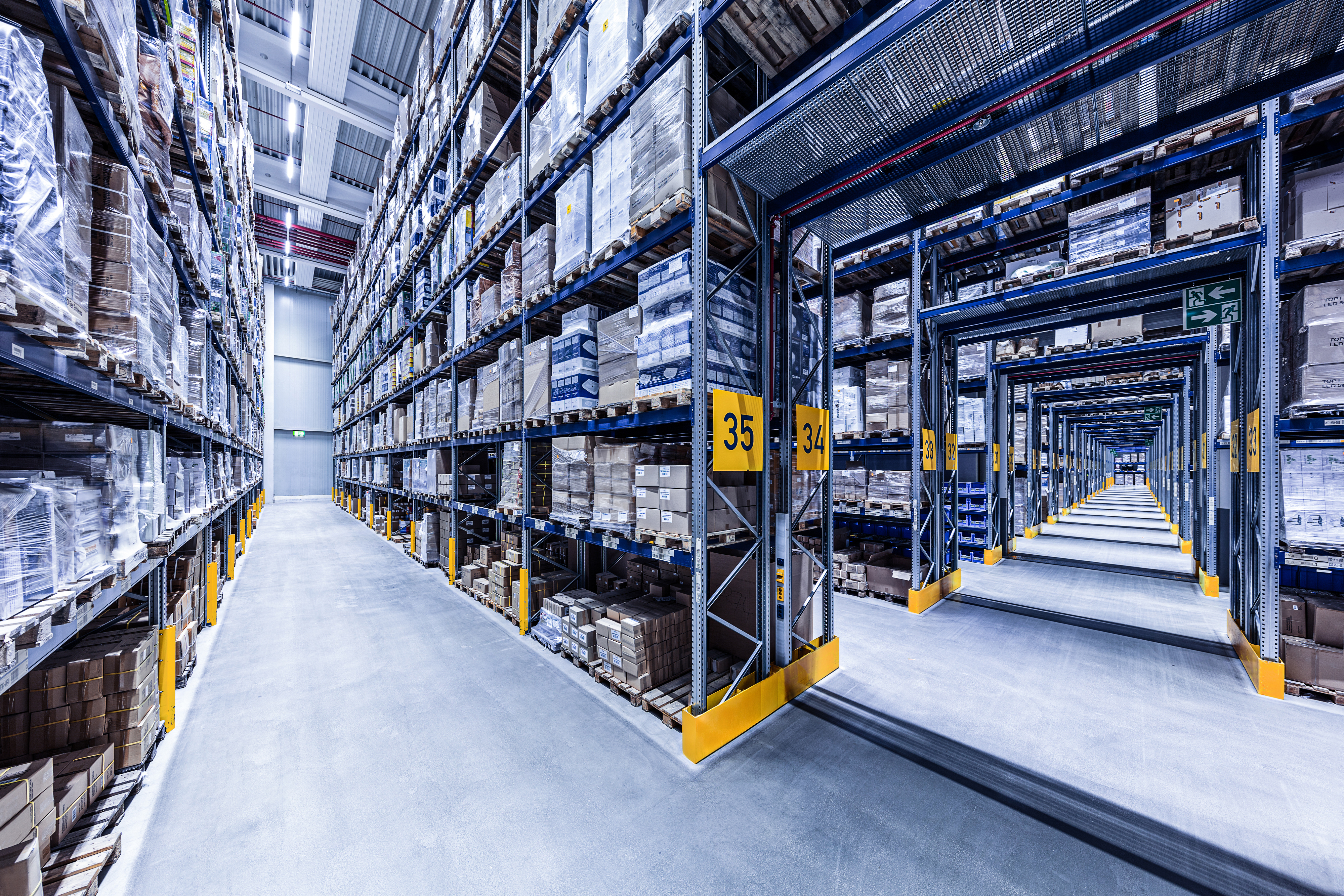
At DACHSER, storage and shipping work together directly. This reduces handovers, shortens routes and lowers the risk of damage.

Reliable standards for your distribution

Control with clear KPIs
Defined indicators make performance and deviations visible, allowing processes to be assessed and developed in a targeted way.

Audited quality
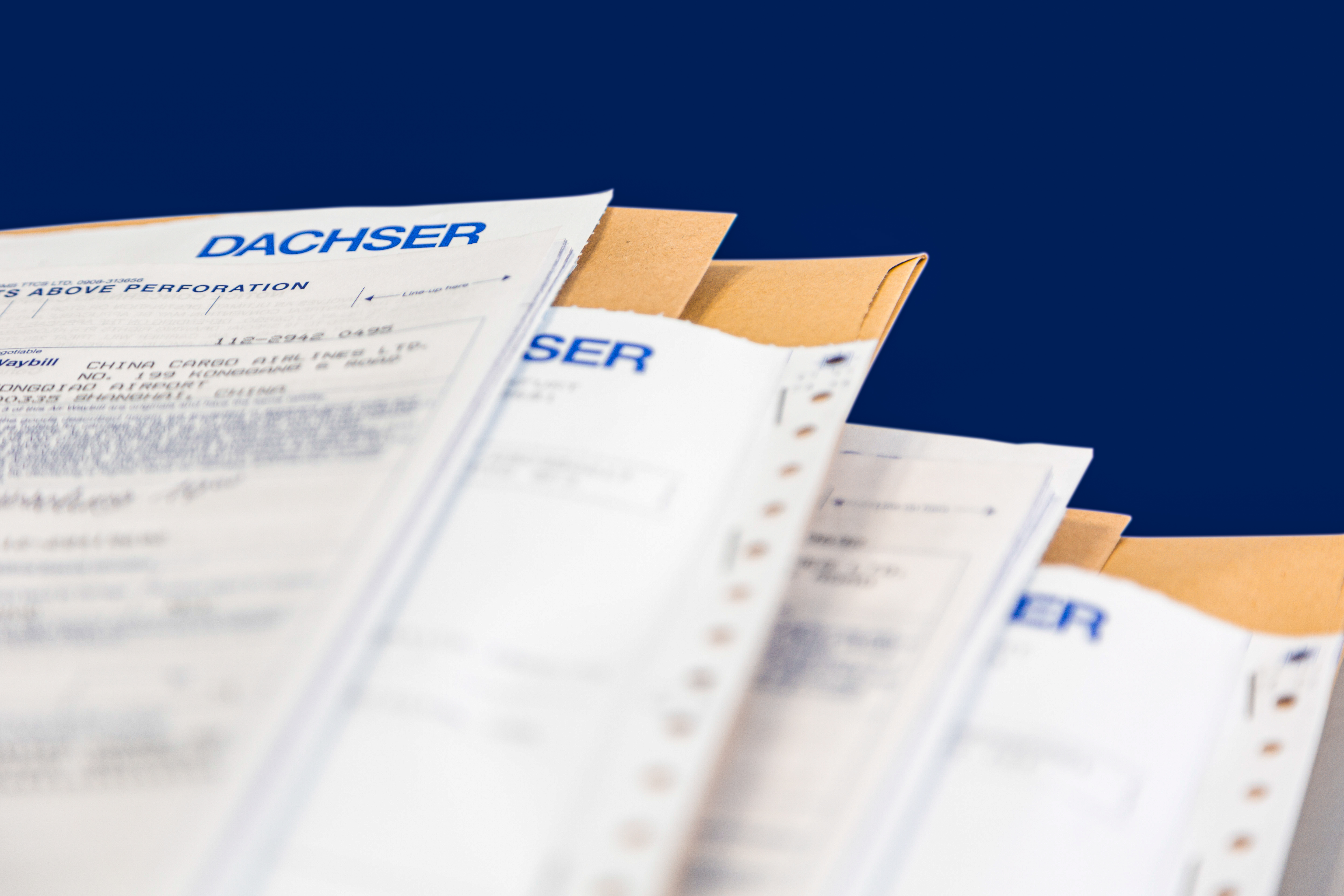
Certified processes and regular audits support traceable compliance with quality and regulatory requirements.

Complete documentation
Digitally available documents support audits and provide a traceable basis for quality and compliance evidence.

Frequently asked questions about distribution logistics
What is distribution logistics?
Distribution logistics covers all processes used to move goods from a production or warehouse location to the relevant recipients. These include:
- Planning, controlling and monitoring flows of goods
- Selecting suitable modes of transport
- Transshipment
- Additional services
The objective is reliable, economical and transparent distribution. Distribution logistics is also known as outbound logistics. Both terms describe the flow of goods from a company to customers or other recipients, although definitions may vary by company.
Which services typically form part of distribution logistics?
Depending on the volume and recipient structure, distribution logistics includes:
- Groupage transport
- Part loads (LCL)
- Full loads (FCL)
Further services and Value Added Services include:
- Warehousing
- Transshipment
- Picking
- Packing
- Customisation
- Returns processes
- Customs clearance
Digital functions such as shipment tracking, status notifications and document provision support operational control.
Why is an integrated network important for distribution?
An integrated distribution network connects locations, transshipment points, transport modes and IT systems according to consistent standards. This makes it possible to:
- Consolidate consignments
- Plan transit times more effectively
- Absorb volume changes within the network
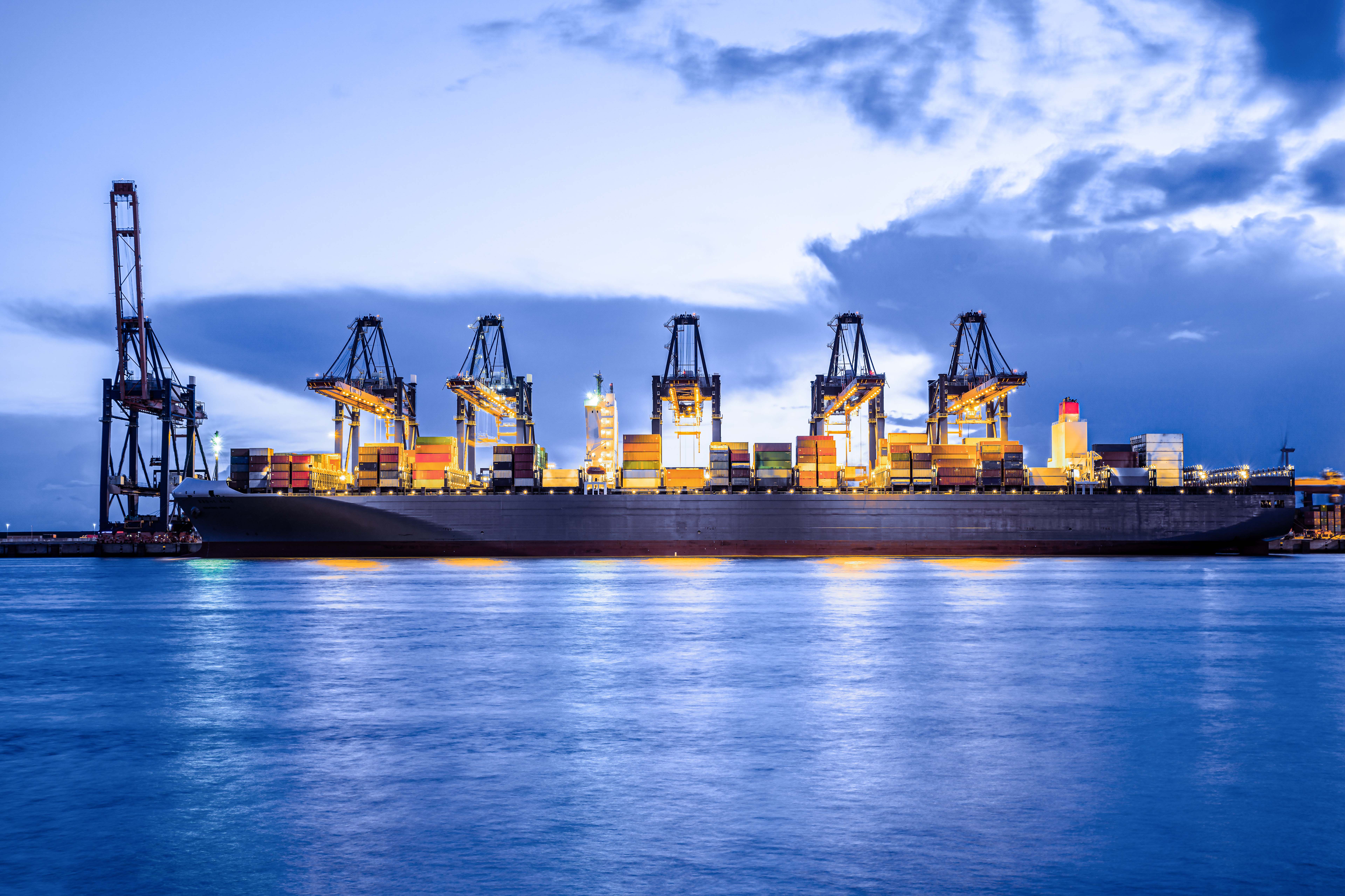
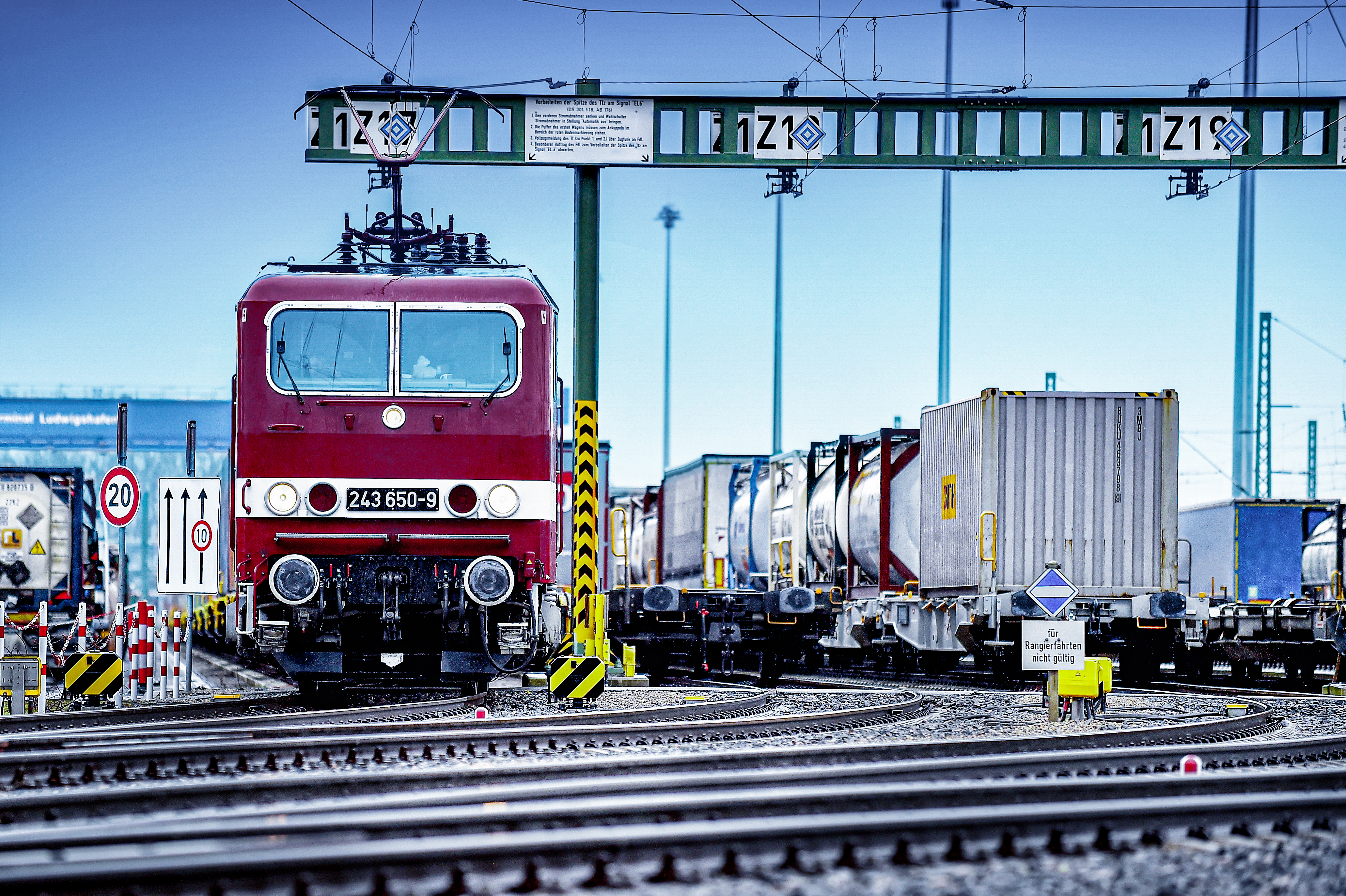
At DACHSER, European road transport, warehousing, air freight and sea freight work together so that flows can be coordinated across several transport stages.
How does digitalisation support distribution logistics?
Track-and-trace functions show where a consignment is located. Event-based notifications highlight defined deviations, while KPIs support assessment of process quality. Companies can therefore respond earlier and manage distribution based on current data.
What is City Distribution and why is it becoming more important?
City Distribution describes supplying city centres and urban regions, particularly on the last mile. Requirements relating to sustainability, emissions reduction and traffic avoidance call for concepts based on consolidated deliveries, alternative drive systems and intelligent route planning.
What role do certifications play in distribution logistics?
Certifications demonstrate that defined quality or regulatory requirements are implemented systematically and audited regularly. This is particularly important for pharmaceutical and healthcare products.
What role does Cross Docking play in distribution?
In cross docking distribution, goods are not stored at a transshipment point for an extended period. They are quickly sorted and reassembled for onward transport, reducing storage time and additional process steps. Cross Docking is suitable for predictable flows with fixed target regions and closely coordinated inbound and outbound times.