
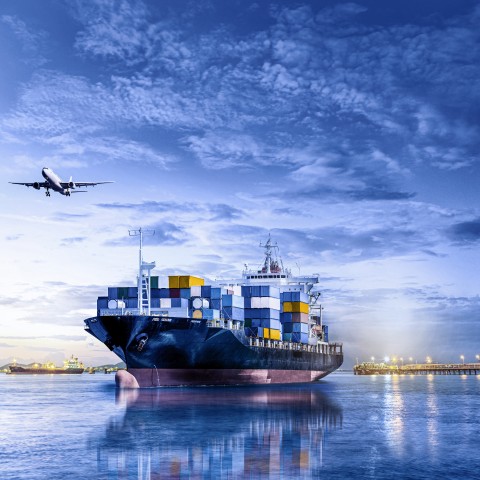
Our FCL shipping services
We connect our worldwide transport and information networks to provide FCL transport solutions across all continents. In 36 countries around the globe, DACHSER Air & Sea Logistics is represented through its own branch offices. In countries without our own locations, we work closely with trusted local partners.
For the seamless handling of your FCL transport operations, we offer various transport modes:
- Door-to-door (from the shipper to the consignee in the destination country)
- Door-to-port (from the shipper to the seaport in the destination country)
- Port-to-port (from the seaport in the origin country to the seaport in the destination country)
- Port-to-door (from the seaport in the origin country to the consignee in the destination country)
Collection and onward transport of your goods can be organised by rail, barge or truck, depending on your requirements and local availability.
Thanks to our expertise and a broad range of specialised containers, fragile, temperature-sensitive and high-value goods are securely transported in full container shipments:
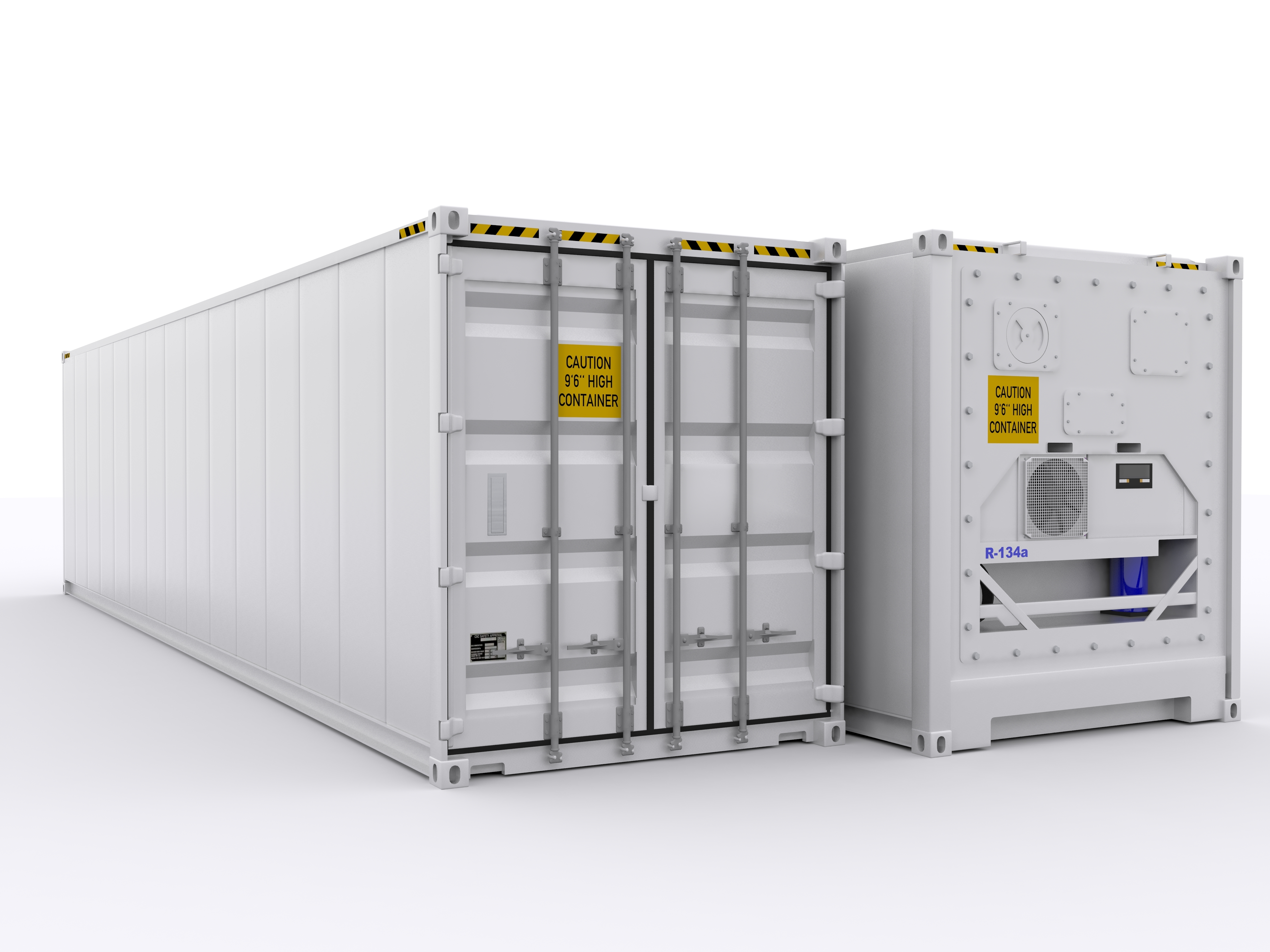
- Containers with automatic temperature and humidity monitoring (e.g. for food transport)
- Temperature-controlled transport solutions, for example for dangerous goods
- Oversized and overwidth project cargo handled by DACHSER’s project cargo specialists
- Optional shock sensors to prevent damage to fragile or impact-sensitive products
With DACHSER Buyers’ Consolidation, you can make your supply chain even more efficient and cost-effective. We consolidate your LCL shipments from different manufacturers and suppliers at a central consolidation centre, load them and ship the goods as cost-efficient FCL shipping consignments to their final destination.
shipmentcontrol is a web-based tracking tool developed specifically for DACHSER, enabling customers to monitor their FCL shipping movements in real time at any stage of the transport process. For even greater convenience, shipmentcontrol allows users to switch between the distribution level (shipmentcontrol send) and procurement level (shipmentcontrol collect) with a single click.
With our international warehouse network and a wide range of value-added services, we help customers create more efficient, secure and transparent supply chains. Our services include:
- Collecting goods for delivery to a DACHSER warehouse or packing facility at the port and loading them into the container
- Cargo securing within the container when packed by DACHSER
- Packaging and order picking of stored goods
- Sea freight customs clearance
- Unloading FCL freight at the port, packing facility or DACHSER warehouse and distribution through the DACHSER European Logistics network
- Unloading and warehousing of cargo at a DACHSER warehouse
Shipping container sizes for FCL shipping
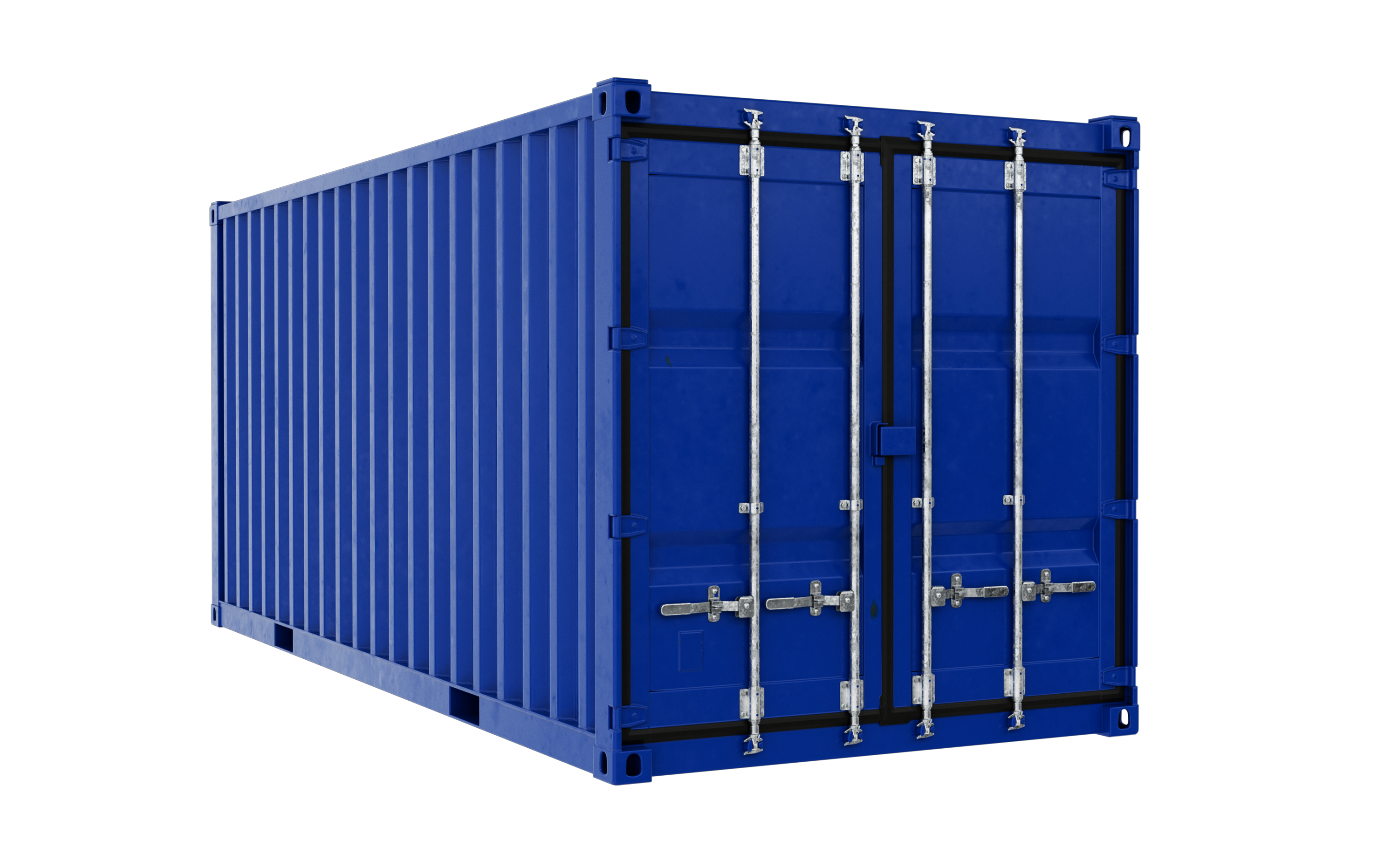
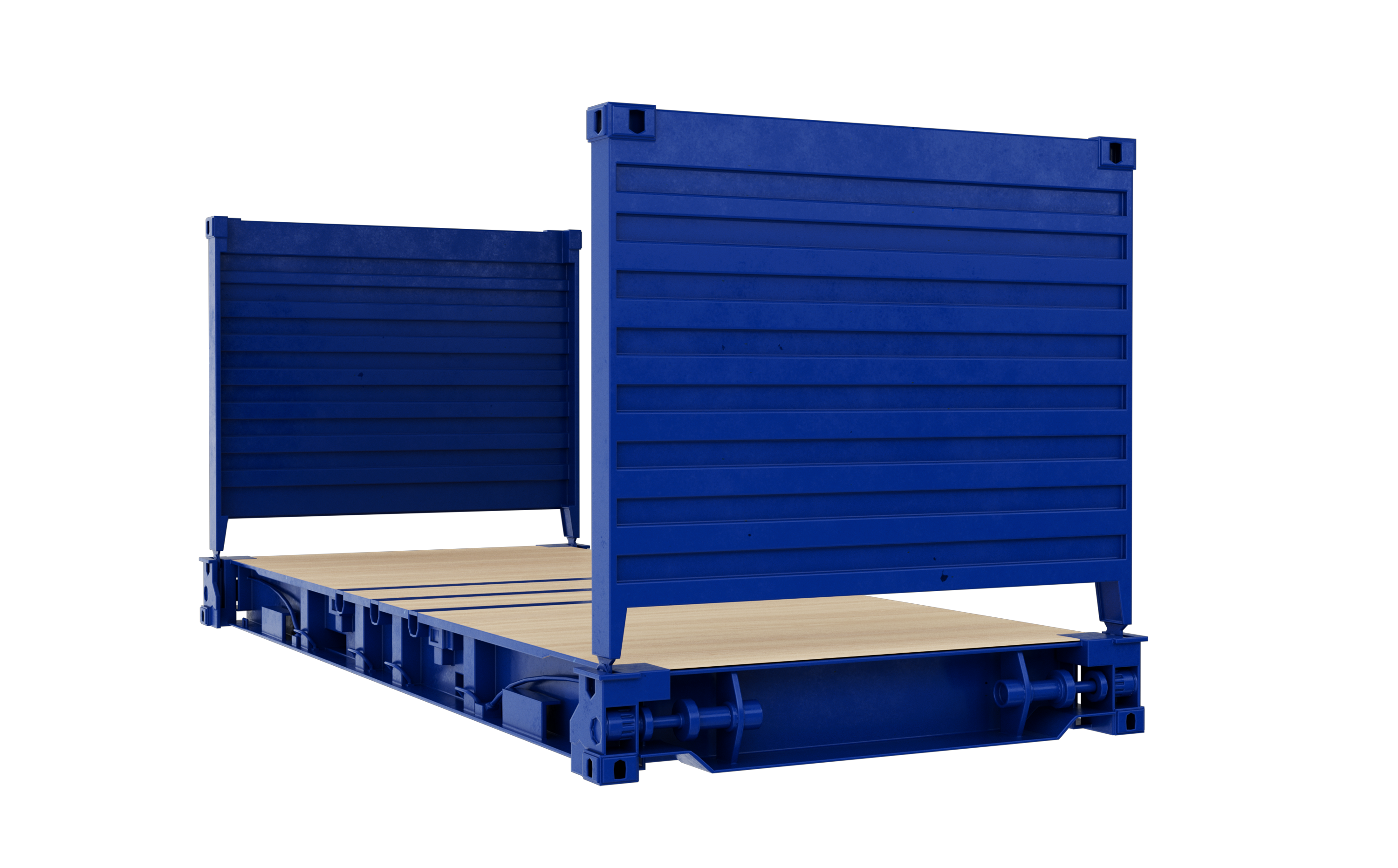
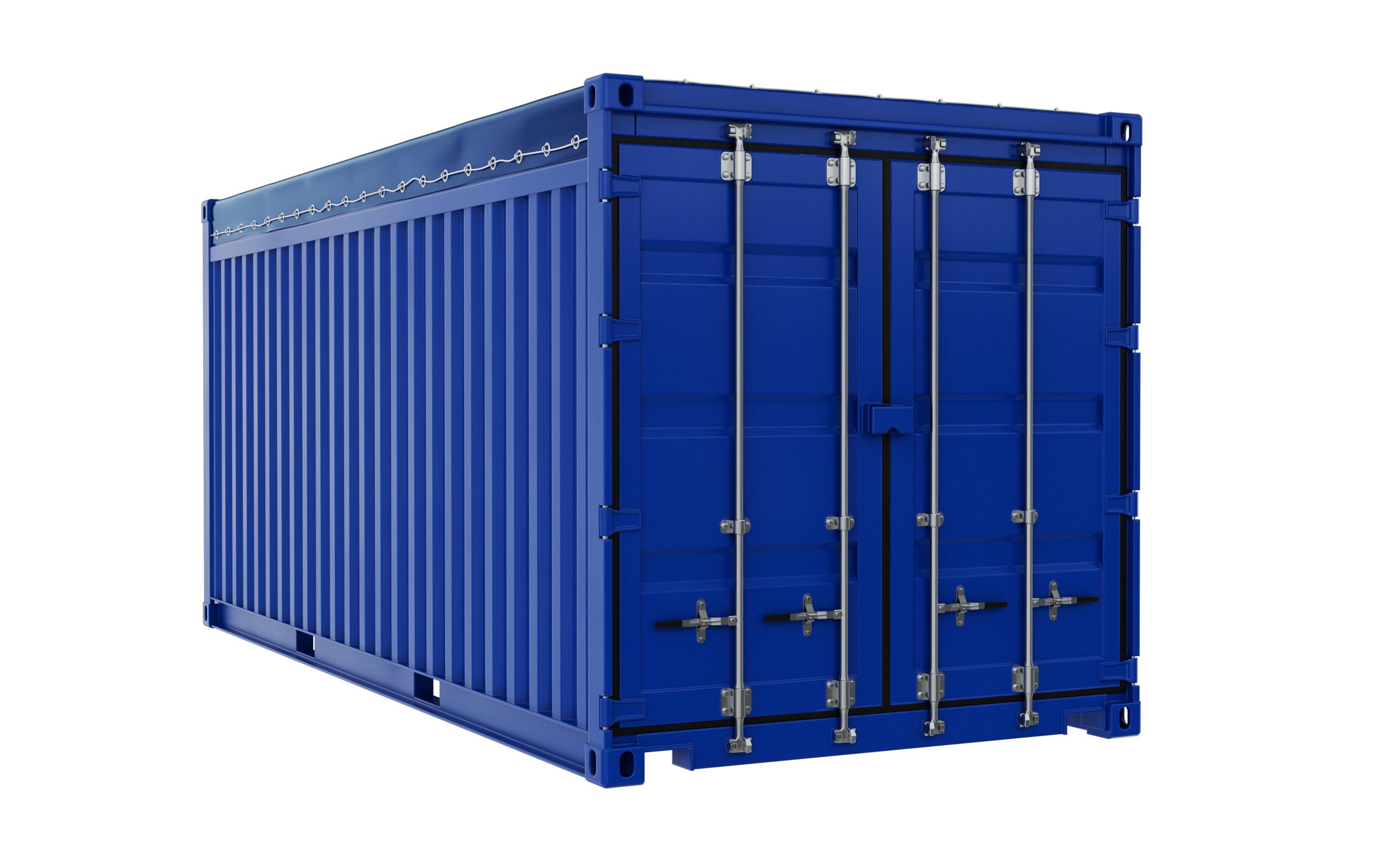
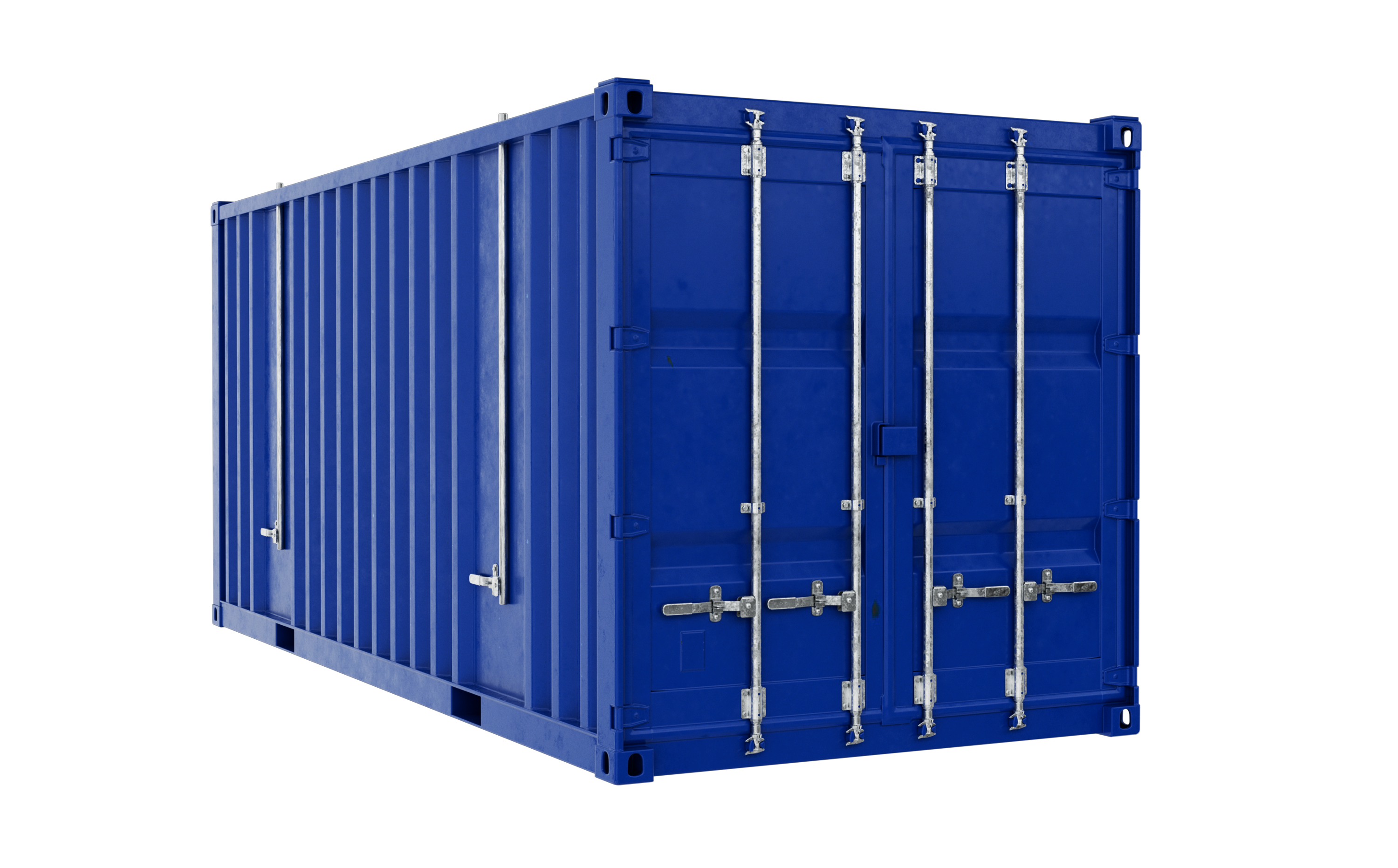
For your FCL shipping requirements, we provide all standard shipping container sizes as well as optional equipment such as shock sensors and clip-on generators. Alongside standard containers, specialised container types with highly durable lashing points on side rails and corner posts are available for heavy cargo, oversized freight and project shipments. Our sea freight experts are happy to advise you on choosing the most suitable container for your cargo.
Reliable, resilient supply chains supported by our global logistics network
Frequently asked questions about FCL shipping
What is FCL shipping?
FCL stands for Full Container Load. The full container load meaning refers to a container that is loaded, sealed and transported directly from origin to destination without being opened for additional loading or unloading during transit.
As a result, FCL shipping is considered particularly secure and offers businesses a high level of supply chain visibility. Since full container shipments are charged per container, they are generally regarded as the most cost-effective transport solution when cargo fills all or most of the available container space.
What is the difference between LCL and FCL shipping?
This is one of the most common FCL vs LCL questions.
LCL stands for Less Than Container Load and refers to sea freight shipments that do not require an entire container.
Unlike FCL shipping, LCL shipments are consolidated with cargo from multiple shippers in a shared container. As a result, less than container load services are often a cost-effective option for smaller, non-time-critical shipments.
FCL shipping, by contrast, uses a dedicated container for a single shipment, providing greater security, shorter handling times and increased supply chain visibility.
What are the benefits of full container load shipping?
For large, non-time-critical cargo volumes, full container load shipping is generally regarded as one of the safest and most economical transport methods.
Additional benefits include:
- Time savings, as the container travels directly from origin to destination without additional loading or unloading stops.
- Greater security, as the container remains sealed throughout transport and is not opened for cargo consolidation.
- Reduced risk of damage because additional handling, stowage and repacking activities are minimised.
- No risk of contamination from cargo belonging to other shippers.
- Maximum transparency throughout the transport process.
- Greater control over transport timing and departure schedules ("ship when you are ready").
For these reasons, FCL shipping is particularly suitable for goods with specific transport requirements, such as fragile cargo, high-value products or temperature-sensitive goods transported in a reefer container.
What are the special characteristics of FCL transport?
Transport responsibility
Responsibility for cargo within a full container shipment is divided among the parties involved. The shipper is responsible for loading the goods, the transport provider is responsible for the transport process, and the consignee is responsible for unloading the cargo. Customs inspections generally remain the responsibility of either the shipper or consignee.
Container sealing
During FCL transport, containers are sealed after loading and are only opened by the consignee at the final destination. Under international regulations, customs inspections during transit are generally not permitted, which may help reduce overall transport times.
Simplified handling
The handling process for FCL transport is typically faster and more straightforward than for less than container load shipments.
Legal protection
Because containers are sealed, full container shipments offer an additional level of security, making theft or unauthorised cargo additions easier to trace.
Fixed pricing structure
FCL shipping is generally charged on a per-container basis, regardless of whether the container is fully utilised or not.
When does a full container shipment make sense?
FCL transport is particularly suitable when:
- The shipment is large enough to fill an entire container (20-foot full container loads generally become attractive from approximately 15 cubic metres onwards).
- Cargo must arrive at its destination by a specific date.
- Fragile or sensitive goods require additional protection.
- Temperature-sensitive cargo must be transported in a reefer container without interruption of the cold chain.
- Valuable products require enhanced transport security.
To determine whether FCL shipping is the most suitable transport solution, businesses should assess shipment volume, transport lead time and product-specific requirements.
What costs are involved in FCL shipping?
In addition to standard ocean freight charges, a variety of factors can influence overall container shipping rates and transport costs for FCL shipping.
Additional cost components may include:
- Container collection from the shipper to the port (pre-carriage)
- Container transport from the destination port to the consignee (on-carriage)
- Container loading and unloading services
- Terminal handling charges at origin and destination ports
- Ocean freight surcharges (e.g. BAF, PSS, war risk surcharges)
- Storage and demurrage charges if the container remains at the terminal beyond the free period
- Fees for delayed container return or late container delivery outside a terminal or depot
- Empty container repositioning from the depot to the loading location and back
- Customs clearance costs
Actual container shipping rates depend on factors such as route, container type, cargo volume, market conditions and additional transport services.
What is SOLAS container weight verification?
SOLAS container weight verification is an international regulation introduced on 1 July 2016 to determine the verified gross mass of freight containers.
Under the SOLAS (International Convention for the Safety of Life at Sea) agreement, the International Maritime Organization (IMO) requires the verified gross weight of loaded export containers to be determined using a certified method before loading. This information must be communicated both to the container terminal and the shipping line.
The objective of SOLAS container weight verification is to prevent maritime accidents caused by inaccurate container weight declarations.
Responsibility for determining and communicating the verified gross mass rests with the carrier.