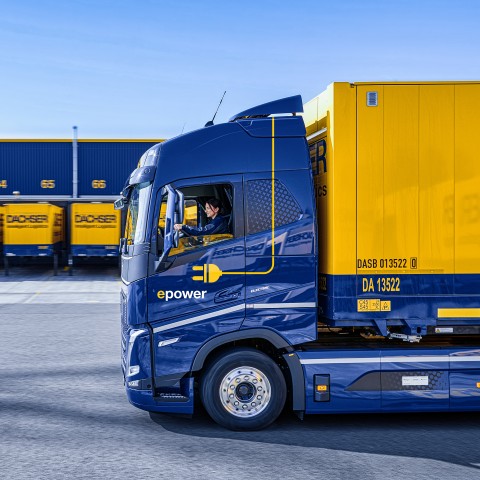

Electric DACHSER truck at a loading dock with logistics containers in the background

Environmental and climate protection at DACHSER

We are convinced that, in the long term, only companies that operate sustainably have a future. As a family-owned company, we take responsibility through a long-term, sustainable business policy and design our products and processes to achieve the highest possible level of efficiency.

To this end, we invest in specific climate protection measures and strategic research projects. At the same time, we are committed to addressing social issues beyond our core business, particularly in regions that are severely affected by climate change.

Environment and Climate Protection at DACHSER

Transport and warehousing are energy-intensive and generate significant CO₂ emissions. Until zero-emission technologies are widely available, we need to make the best possible use of existing solutions to continue improving our customers’ carbon footprint despite growing global flows of goods. DACHSER focuses on the following areas of action to achieve sustainable progress in environmental and climate protection.
Process Efficiency through Intelligent Logistics Networks

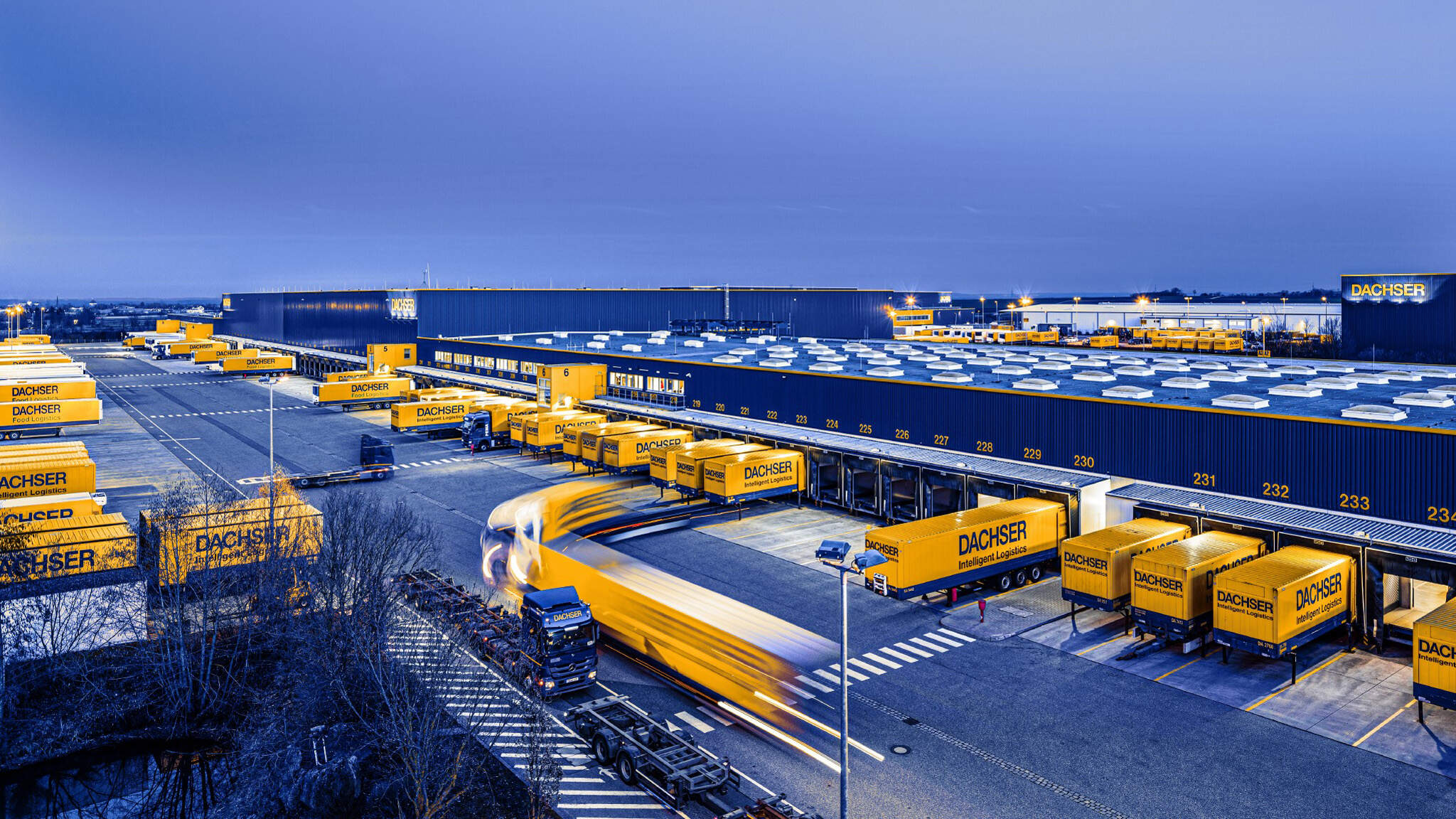
The DACHSER network is a highly efficient transport and logistics network based on an optimal combination of centralised and decentralised planning, modern facilities and IT systems, as well as the extensive expertise of our employees and partners. Efficiency is continuously enhanced through innovative technologies such as AI and IoT. Through intelligent planning, we minimise unnecessary transport and energy consumption, reduce CO₂ emissions, and make use of fully loaded trucks, mega trailers, longer and heavier vehicles, and multimodal transport.

Energy efficiency through climate-friendly technologies

Across our network, we use modern, energy-efficient solutions in transit terminals, warehouses and office buildings, as well as in the transport of goods. For all our logistics facilities worldwide, we source green electricity, accounted for in accordance with guarantees of origin, and invest in photovoltaic systems and low-emission vehicles. LED lighting, battery-powered industrial trucks and heat recovery systems also contribute to greater energy efficiency. In designated urban areas, locally emission-free deliveries using electric vehicles or cargo bikes are now standard practice.

Research and Innovation

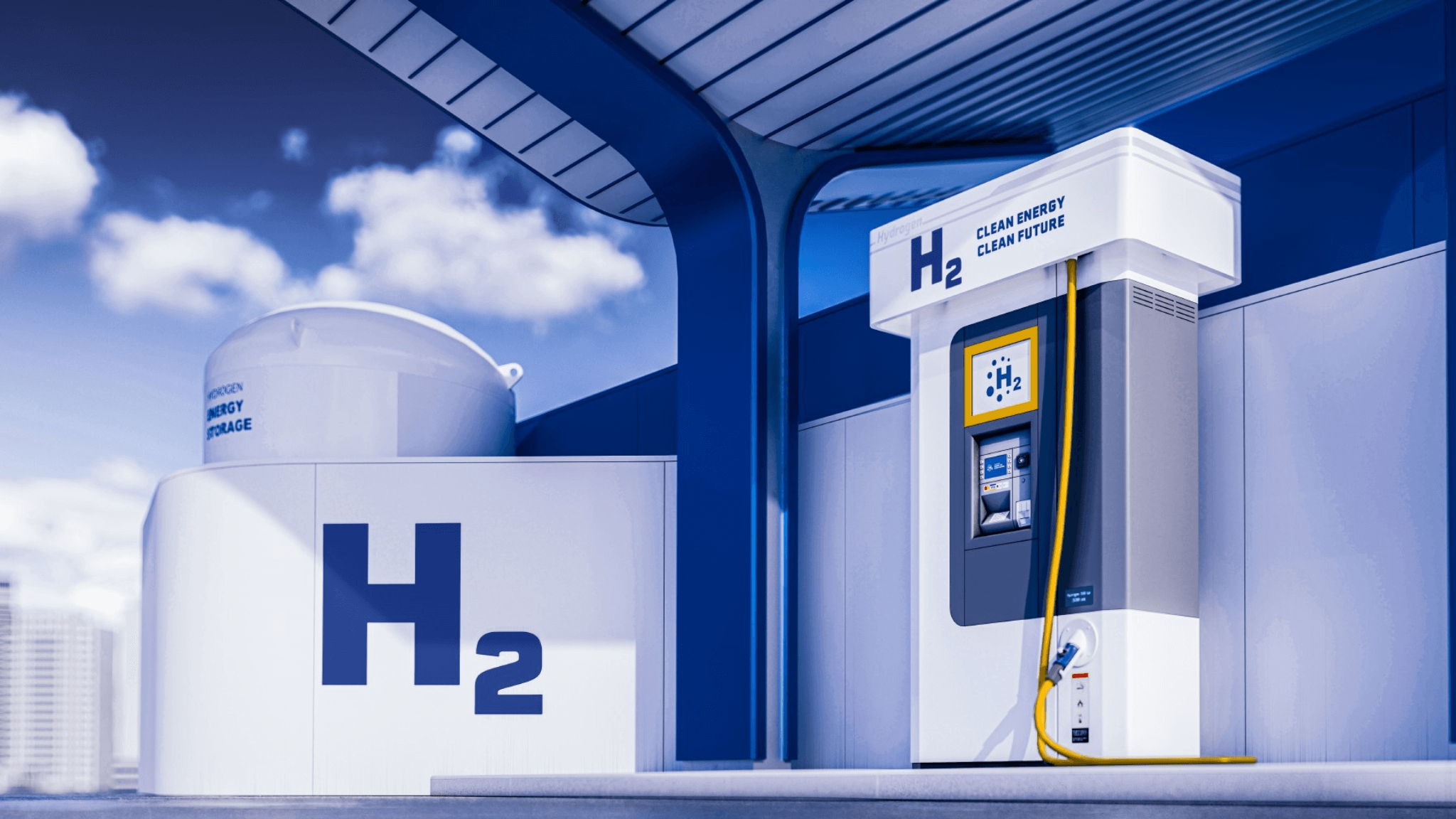
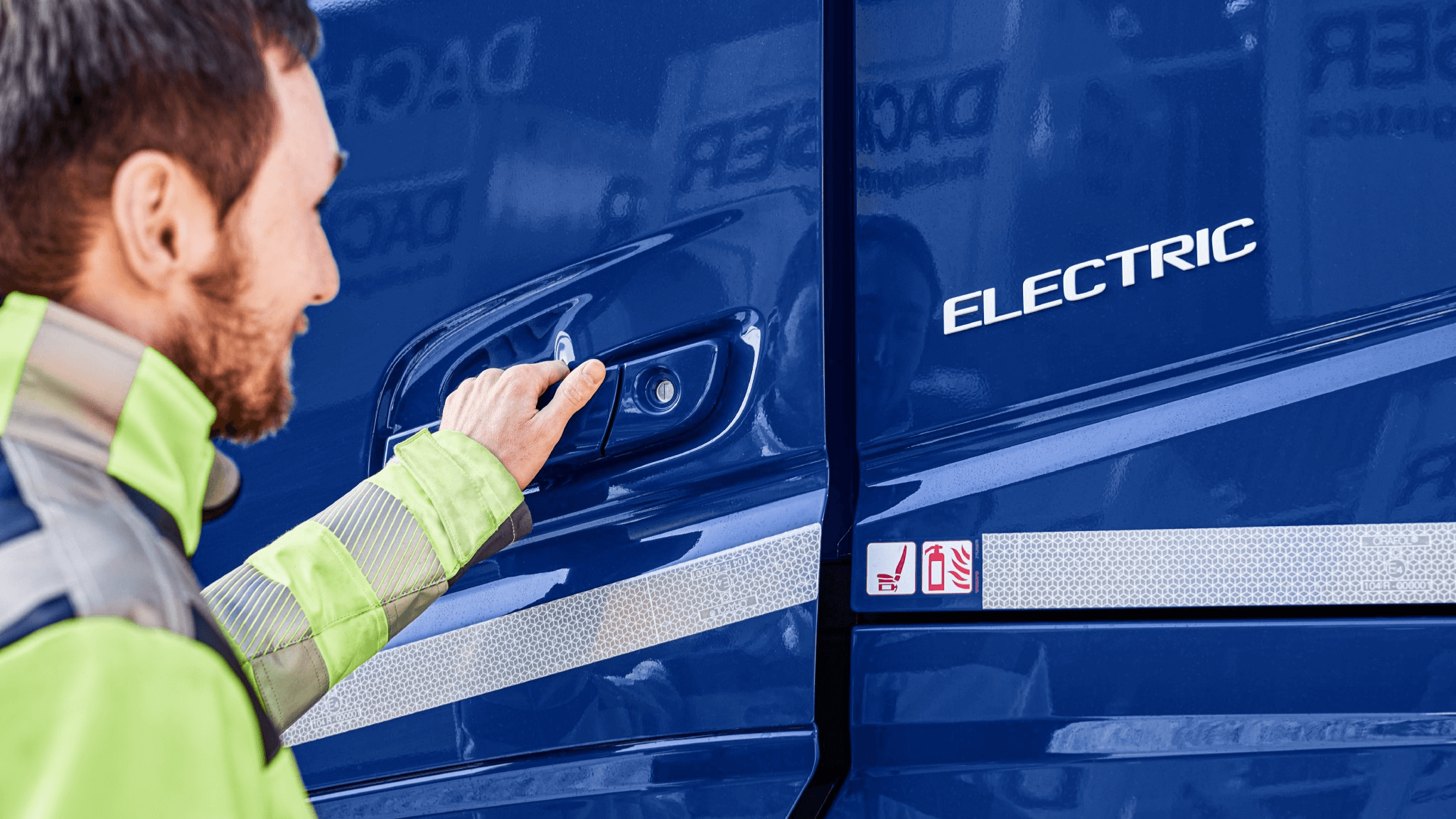
DACHSER promotes lower-emission logistics through research, innovation and partnerships. We use vehicles, fuels and energy sources that comply with EU standards, including battery electric vehicles (BEVs) and hydrogen fuel cell electric vehicles (FCEVs) for short- and long-distance transport. Research and innovation in digitalisation and AI-supported process optimisation also help to reduce emissions. At the DACHSER Enterprise Lab, we work with Fraunhofer IML to develop solutions that make the flow of goods and processes more efficient and sustainable.

Corporate Citizen+

As part of its sustainability strategy, DACHSER supports social and climate protection initiatives through its Corporate Citizen+ programme, primarily in low- and middle-income countries, but also in Europe. Since 2005, DACHSER has also maintained a partnership with Terre des Hommes aimed at sustainably improving children’s educational opportunities and living conditions. In 2023, DACHSER expanded its commitment by entering into a programme partnership with myclimate and Terre des Hommes to implement community-based projects that reduce greenhouse gas emissions, support adaptation to the impacts of climate change and contribute to the United Nations Sustainable Development Goals.

DACHSER Emission-Free Delivery

Local emission-free delivery in 25 European city centres is a key part of our long-term climate protection strategy. Join us on our journey towards a sustainable future!

Sustainable Fuel Services

As part of its climate protection strategy, DACHSER enables its customers to reduce greenhouse gas emissions in the short term through the use of advanced biofuels in accordance with the EU Renewable Energy Directive (RED II). These Sustainable Fuel Services are available for air and sea freight as well as European road transport and complement zero-emission technologies such as electric vehicles and e-fuels.

  • Up to 75% of lifecycle greenhouse gas emissions can be avoided compared with conventional fossil fuels, based on the EU RED II methodology
  • Investment in new, innovative and sustainable technologies based on waste-derived bio-feedstocks
  • Applicable to any trade route, with flexible emission reduction rates

Collaboration for Sustainability and Climate Protection

Our commitment to greater sustainability is reflected in ratings from assessment platforms such as the Carbon Disclosure Project (CDP) and EcoVadis.

Track shipment